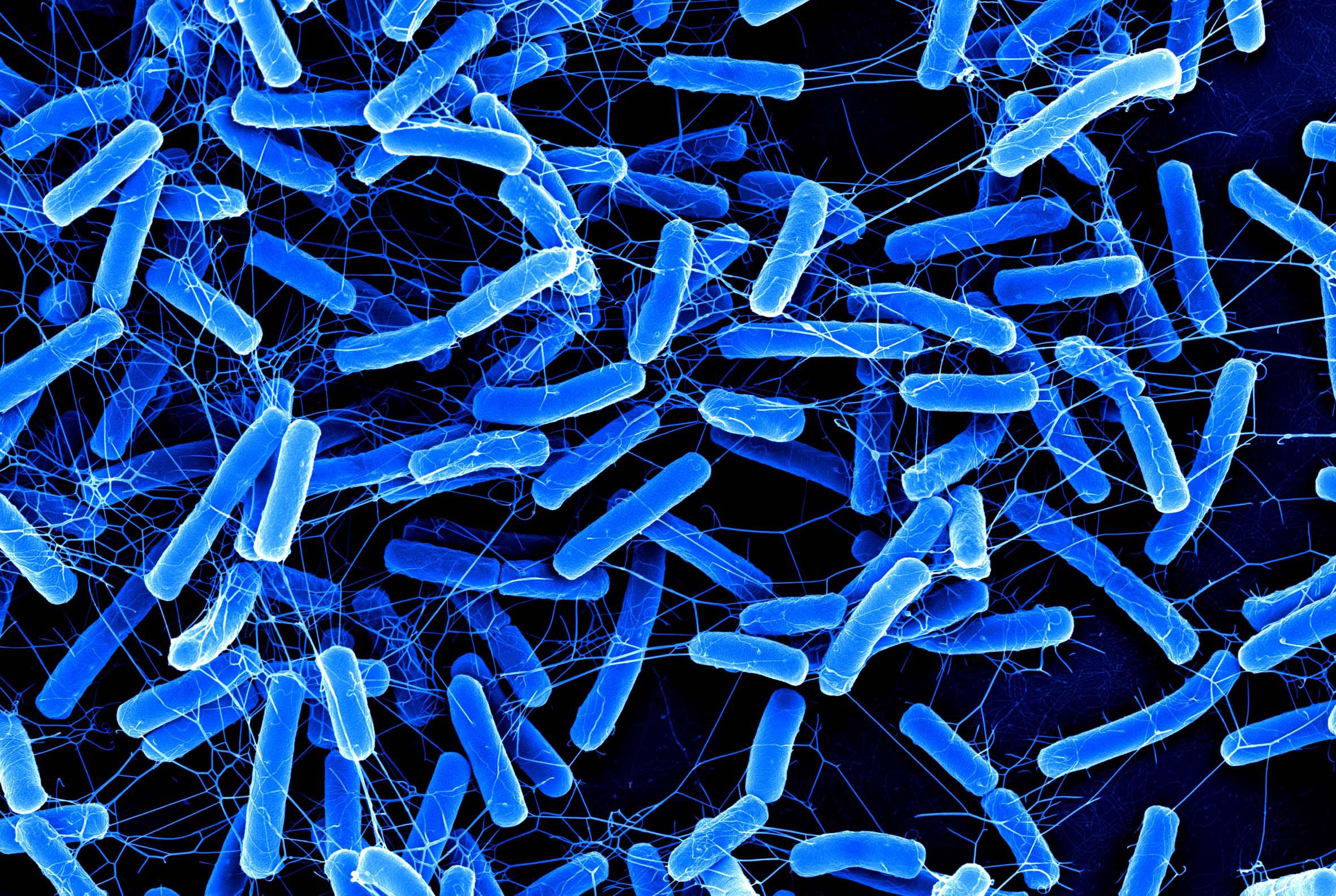
The promise of an experimental remedy for C. difficile intestine infections lies partly within the micro organism it leaves alive, in line with early laboratory and mouse analysis.
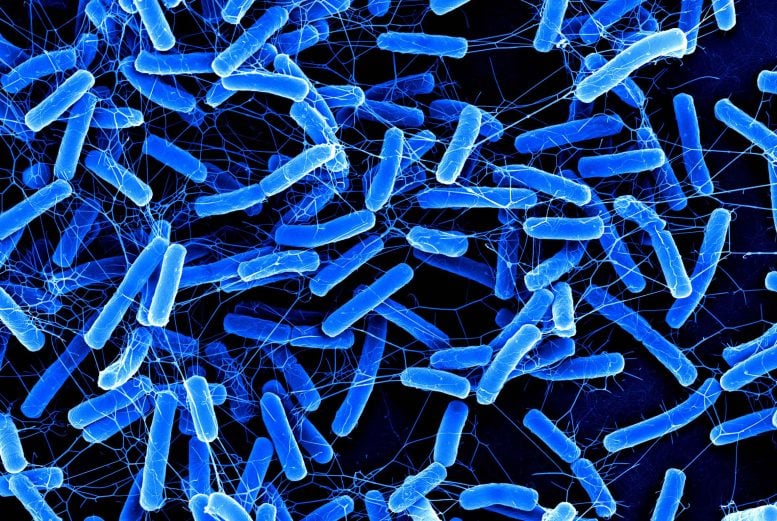
Broad-spectrum antibiotics can disrupt the intestine’s microbial neighborhood, permitting a bacterium already residing there to multiply unchecked. Clostridioides difficile, or C. difficile, is of course current within the intestines of many individuals and often causes no signs when its numbers stay low. When it proliferates, nevertheless, its toxins can set off acute intestinal irritation which will turn out to be continual and might typically be life-threatening.
These infections, referred to as CDI, are among the many main causes of antibiotic-associated diarrhea and have excessive relapse charges. After a number of relapses, sufferers are sometimes handled with fecal microbiota switch, generally known as a stool transplant. The process is advanced and unsightly for a lot of sufferers, creating a necessity for remedies that management the an infection whereas limiting additional disruption of the intestine’s microbes.
Concentrating on C. difficile whereas sparing intestine microbes
A workforce led by Professor Rolf Müller, division head and scientific director at HIPS, has recognized a drug candidate that particularly kills C. difficile whereas sparing a lot of the intestine microbiome. HIPS is a web site of the Helmholtz Centre for An infection Analysis (HZI) in collaboration with Saarland College.
The candidate, argyrin B, belongs to a gaggle of pure compounds recognized in soil-dwelling myxobacteria. These micro organism use such compounds to hunt different microorganisms and exploit them as meals.
“We have been capable of present that the pure compound argyrin B is extremely efficient towards CDI: each in laboratory experiments and in a mouse mannequin of the an infection, the place it considerably reduces the bacterial load,” says Dr. Jennifer Herrmann, a senior scientist within the “Microbial Pure Merchandise” division at HIPS.
Little argyrin B reaches the bloodstream
For argyrins to turn out to be medicines, researchers should consider each their effectiveness and their pharmaceutical properties, together with how they transfer by way of the physique. When the workforce gave argyrin B to mice by mouth, little or no entered the bloodstream. As a substitute, it remained largely within the giant gut, the place the remedy is required. Preserving the compound concentrated there may assist restrict negative effects elsewhere within the physique, suggesting a probably well-tolerated method to treating CDI.
Herrmann additionally describes how the compound acts towards the bacterium and what its selectivity may imply for restoration.
“An antibacterial goal of the argyrins had beforehand been recognized and characterised within the infamous hospital-acquired pathogen Pseudomonas aeruginosa. Now we’ve got been capable of present that argyrin B additionally acts on this goal in C. difficile and reveals notably excessive efficacy in doing so. In distinction, the argyrins have nearly no impact on the helpful microorganisms in our digestive tract. The intestine microbiome may due to this fact be spared throughout remedy with argyrin and restored to a wholesome state extra rapidly.”
An argyrin-based remedy may cut back the danger of additional microbiome disruption, infections, and relapses that may in any other case require a stool transplant. In follow-up research, the researchers plan to find out the dose of argyrin B that achieves most efficacy and use acceptable fashions to check its effectiveness towards recurrent infections.
Reference: “Argyrin B reveals potent therapeutic efficacy in a Clostridioides difficile-infection mouse mannequin whereas preserving microbiota performance” by Sari Rasheed, Katrin Ehrhardt, Ahmed Mohamed Mostafa Abdrabou, Alexander Mellmann, Anna Lechleiter, Domen Pogorevc, Sabryna Junker, Lutz von Müller, Marius Important, Jennifer Herrmann, Guntram A. Grassl, Markus Bischoff and Rolf Müller, 16 July 2026, npj Antimicrobials and Resistance.
DOI: 10.1038/s44259-026-00248-x
By no means miss a breakthrough: Join the SciTechDaily newsletter.
Observe us on Google and Google News.